
Half a decade on, your powerful testimonies are a study of how music unites us
Overture
We started the year at GFS by doing some much-needed housekeeping. Namely, importing all of the comments and messages we have received over the years by linking them to the specific instrument they made reference to (later updates to the site mean this process is now automatic and the buyer can leave a comment directly on the product page). Before that, all of the wonderful dispatches we received from you appeared on our Testimonies
page only.
So far so good. GFS has been going for 12 years now, and updating years 2013-2019 was a relatively painless process. Then, time stood still when we got to the year 2020.
Chorus
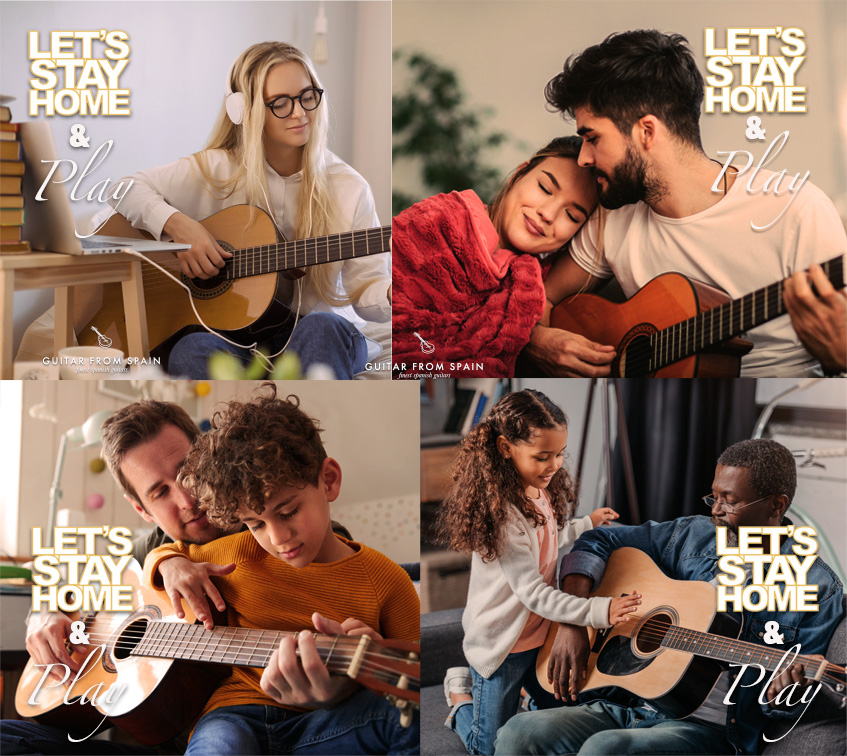
Suddenly there were a significantly greater number of messages. Many of these made a reference to the uncertainty most of us were experiencing at the time: they advised us to stay safe, in a multitude of languages from around the world; others talked about choosing a guitar for a son or daughter to help them through the weeks of lockdown (the lucky ones, of course). By alluding to our globally shared experience, every one of them exemplified the best of humanity in the darkest of times.
And each time we read one anew, it felt like we had stepped back in time to the first few bewildering months of the pandemic.

A language we all understand
On one level, it made perfect sense: all social activities came to a sudden standstill. We didn’t eat out, go to the gym or meet friends or family. Many people got bored, anxious and lonely. And research confirms what we know instinctively: music can heal pain and relieve anxiety and depression. And it bonds us together as an art form central to identity, rituals and human expression, across every culture.
Solidary sounds
Those videos on social media of Italians singing on their balconies, for example, not only exemplified the resilience of the human spirit, but were a way of staying connected to other people through music. Likewise the extraordinary messages we got from so many of our customers that year, from every culture and country around the globe.
At that moment, it did feel as if we were all in this together.
Music v plague and pestilence
There’s nothing new about the power of music to create a sense of community, of course. Ancient Greek musician and poet Thaletas is credited with bringing harmony to Sparta in the 7th century BC, by singing hymns during an outbreak of the plague. And even Henry VIII, who isn’t famed for his sensibilities, made his harp player part of his support bubble when pestilence forced him into quarantine in 16th-century England. Whether it was of any comfort to the harp player, is another question, it has to be said.

And the band played on
What was also striking, as we laboriously cut and pasted all of those comments made half a decade ago now, was just how many people used the pandemic as a reset to find a renewed purpose in life, as time took on a new meaning.
And a lot of them turned to music: a whopping 75% of Britains sought comfort in playing an instrument during the pandemic, according to research from Yamaha, and a study commissioned by YouGov® revealed that sixteen million people in the US learned to play the guitar between 2020 and 2021.
Some of these musicians (plucky in more ways than one) chose a Guitar From Spain. Looking back now, it feels good to have played a very small part in the aural resistance.
 Guitar From Spain