

How to choose the best beginner model for you
In style
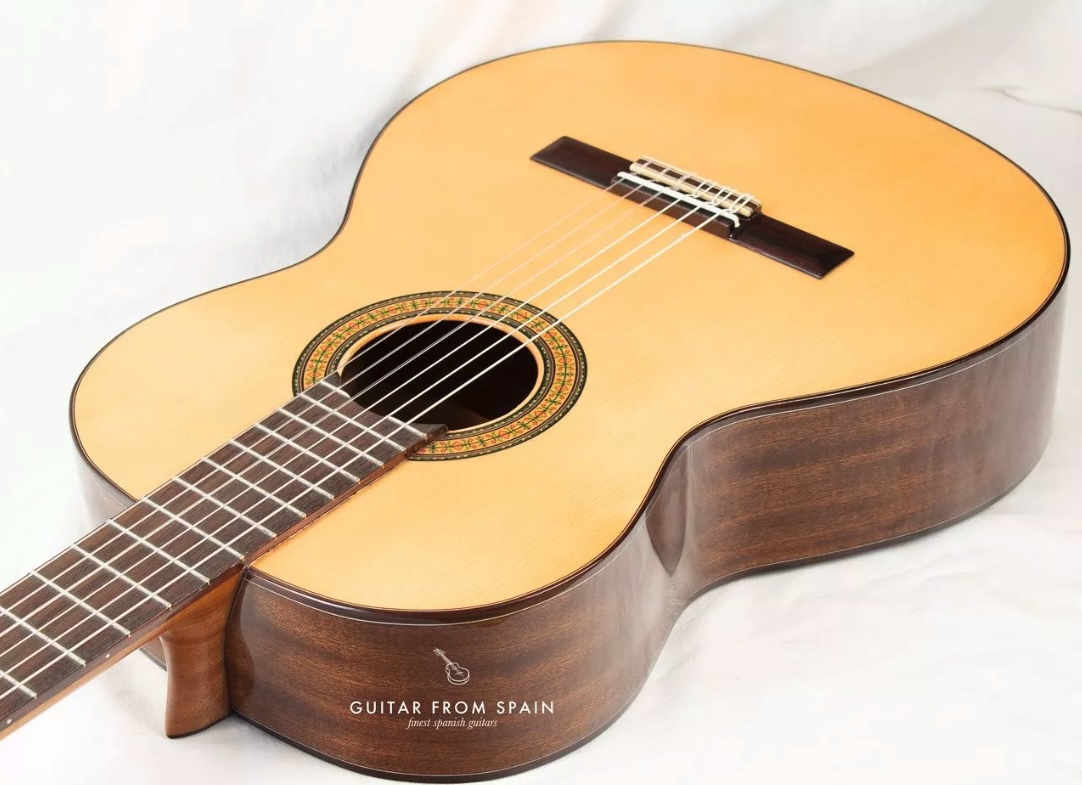
When choosing a first guitar for beginners, a nylon guitar is generally considered the best choice, as it offers the versatility of exploring different music styles, alongside the comfort of a broader neck and lower-tension nylon strings, which are easier for beginner fingertips to press down on.
This lower tension enables the beginner guitarist to practise intricate fingerstyles without excessive hand strain, whilst the broader neck allows for more spacing between the strings, making it easier to play individual notes. A more comfortable playability and clearer string separation encourage practising of course, which in turn leads to greater progress in a shorter period of time. Nonetheless, musicians who are absolutely certain they wish to dedicate themselves to flamenco may wish to jump straight in and opt for a flamenco model from the get-go.
The height of comfort
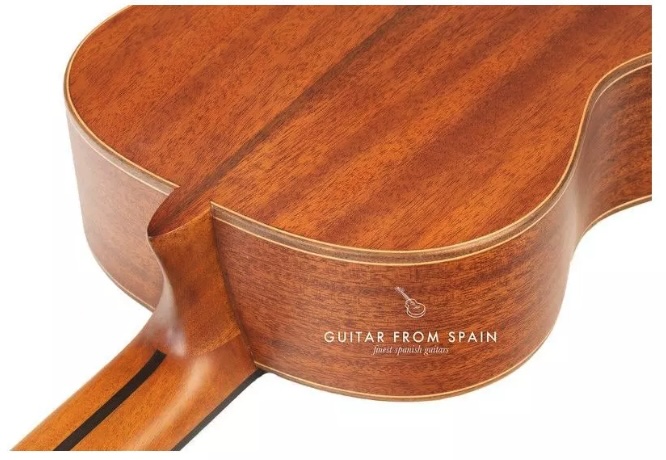
Once you’ve established your style preference, it’s time to think about the size of instrument best suited to your stature, which will have a big impact on your comfort and enjoyment at the start of your musical journey. Luckily, for most adults over 1.5 metres tall (5 feet), a 4/4 full-sized model is the answer. For younger guitar students, or petite adults, consult our blog post Classical Guitars for students: special sizes which will serve as a guide.
The Goldilocks zone
Price is your next consideration. This is where it is best to avoid the temptation of buying a mass-produced low-grade instrument. The poor craftsmanship and inferior woods used to construct these guitars lead to lower playability and a poor sound which makes practising uncomfortable and demotivating.
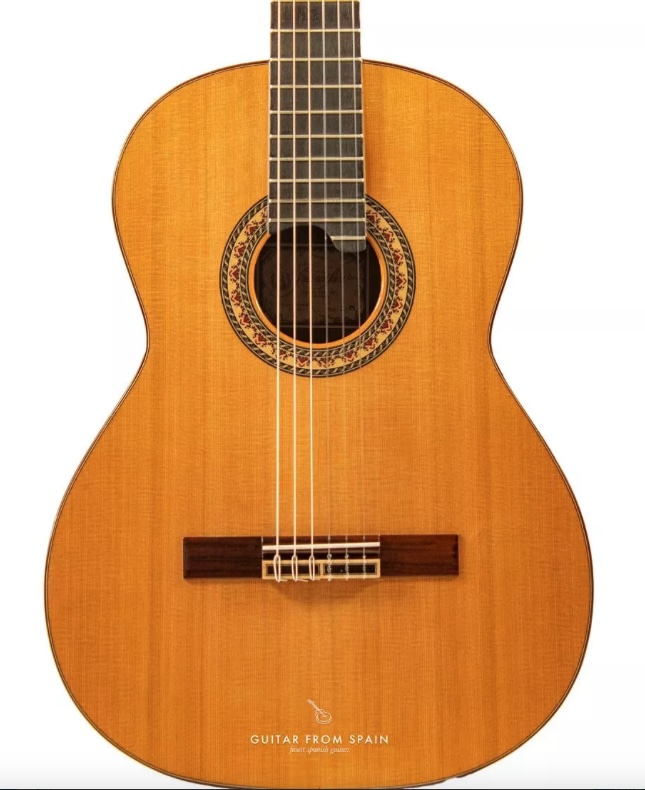
On the other hand, there is no need to invest in an ultra-expensive model. You can pick up an authentic Spanish classical studio guitar from a renowned manufacture that features a solid wood sound board, select materials and practised craftsmanship from as little as €300-€400 (at the time of publishing). An authentic Spanish workshop will also maintain a system of quality control to ensure the final product meets their exacting standards, unlike large production hubs in Asia that churn out millions of cheap instruments every year.
Examples of reasonably priced entry-level models in this price range include the Admira Malaga, the LAQANT HERITAGE BY ALHAMBRA, the Prudencio Saez 1-S, the Camps Son-Satin and the Alhambra Z-Nature. All of these models are excellent value for money, with a solid cedar (or spruce) soundboard, excellent playability and a perfect balance of warmth and projection.

Budget allowance
If funds allow, there are also a number of studio guitars in the slightly higher price bracket of €500-€700 (at the time of publishing), and the quality of a lot of these instruments corresponds to models in a much higher price range. Examples include the Camps M-1 (pictured above) with a solid cedar spruce top, mahogany bindings and an adjustable truss rod in the neck; the Alhambra 3CA or the Alhambra 4P, true classics in music conservatories for intermediate students or the Prudencio Saez 1-M, A handcrafted guitar made from solid wood for the top, back and sides at a truly competitive price.
Flamenco rising
If you are committed to flamenco, however, the lower action on a flamenco guitar will offer certain advantages for playing specific flamenco techniques, such as fast left-hand movements, rasgueo (strumming) and picado (picking). These models are also often lighter in weight and they produce that characteristic brighter and more percussive flamenco sound. The prices of studio models are similar (or slightly cheaper) than those of the classical guitar too. As a first flamenco guitar, excellent choices include the stunning Alhambra 4F (pictured below, with solid German spruce top and sycamore back and sides), the Admira Buleria flamenco with reinforced cedar neck and the Prudencio Saez 1 F-L, which has a rich sound and plenty of attack. Choosing a flamenco guitar as your first guitar for learning to play can also be a very good option, unless the student is clearly oriented towards classical guitar or is studying at a conservatory. Contrary to popular belief, the flamenco guitar is perfectly suited to any musical style, with the added bonus of extra comfort when playing thanks to its lower string action.

Perfect is the enemy of good
The bottom line is to find a model that is ‘good enough’ to suit your needs, including comfort and playability. The same goes for quality over quantity when it comes to practising: short and mindful is preferable to long and unfocused. And finally, try not to have unreasonable expectations at first. Just enjoy the moment. That’s where life and music happen.
 Guitar From Spain